
By: The Capella University Editorial Team with Dr. Alicia Adams, DSW Academic Program Director, School of Nursing & Health Sciences
Reading Time: 3 minutes
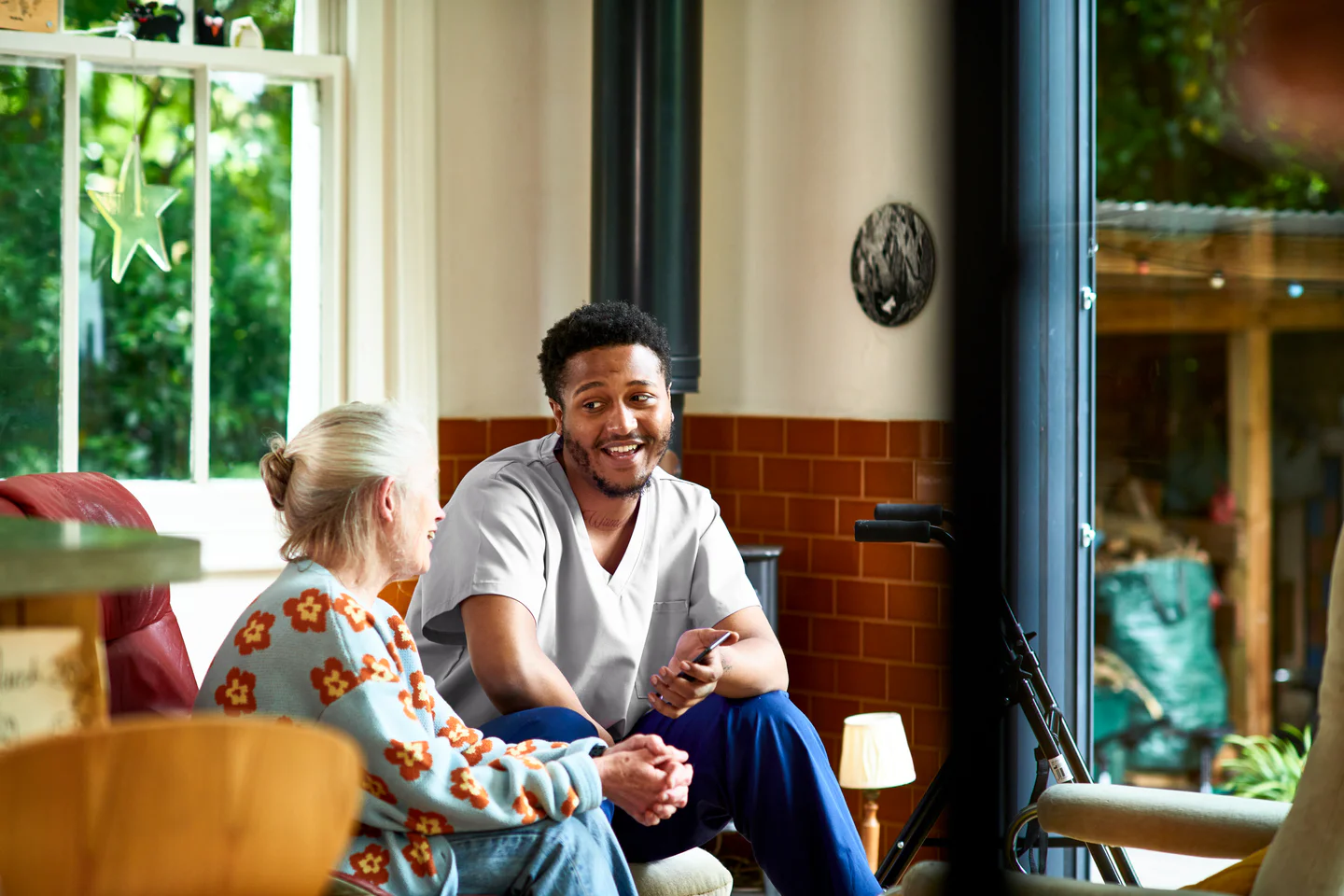
Technology in social work is transforming how professionals deliver care and connect with the people they serve. From telehealth and case management software to mobile apps and AI-assisted tools, digital innovation is now central to how social workers communicate, organize information and deliver services.
According to Dr. Alicia Adams, DSW academic program director at Capella University’s School of Nursing and Health Sciences, technology has become an essential tool for enhancing both practice and client outcomes.
“Social workers now rely on a variety of digital resources, including telehealth platforms that facilitate remote therapy sessions, case management software for organizing and documenting client information and AI-assisted tools that help streamline administrative tasks,” Dr. Adams explains. “Mobile apps are also widely used to support communication, scheduling and service updates, while secure messaging and social media platforms offer new ways to engage with clients and communities.”
Technological tools like secure messaging, mobile apps and online therapy platforms have expanded access to care by making services more available and responsive.
“These tools allow for more frequent and flexible interactions between social workers and clients,” says Dr. Adams. “This increased connectivity helps build stronger relationships, ensures timely support and reduces barriers that might otherwise prevent clients from seeking help.”
Technology has also significantly expanded the reach of social work services, particularly benefiting marginalized and rural populations. In the past, geographic isolation often meant limited access to care.
“Now, with telehealth and other digital tools, social workers can provide services to clients regardless of location,” explains Dr. Adams. “Online training and webinars further support professionals in staying current with best practices, enabling them to serve communities more effectively.”
The integration of technology into social work also brings challenges, particularly regarding the digital divide. The digital divide refers to the gap between individuals, households and communities that have reliable, affordable internet access and those who do not.
“The digital divide isn’t just about internet access,” Dr. Adams says. “It’s also about affordability and the skills people need to effectively navigate the internet, digital apps and software.”
To address these issues, social workers strive to understand the technologies their clients use and how those tools affect their lives. They also advocate for access to broadband for rural communities, data privacy and mobile security, and the responsible use of technology in compliance with standards such as HIPAA.
At Capella University, social work students learn how to use technology responsibly and effectively in a changing digital world. Social work courses incorporate technology standards from the National Association of Social Workers (NASW) Code of Ethics into the curriculum, ensuring that students learn the practical and ethical aspects of using digital tools.
The NASW Code of Ethics identifies six core values – service, social justice, dignity and worth of the person, the importance of human relationships, integrity and competence – which also guide how social workers responsibly use technology in practice.
“From email and text messaging to video conferencing and the ethical use of AI, Capella’s courses emphasize responsible technology use and equip students with the competencies needed to integrate these tools effectively into their learning, leadership and clinical practice,” notes Dr. Adams.
Technology will continue to evolve, bringing new opportunities for innovation in social work practice. For both students and professionals, staying informed about social work industry trends and best practices will remain essential.
“Technology can never replace the human element of social work,” emphasizes Dr. Adams. “But when used thoughtfully, it can help social workers extend their reach, enhance services and make an even greater impact.”
As the field continues to grow and adapt, social workers who combine compassion with technological competence will be well positioned to serve their communities and lead change.
Learn more about Capella University’s accredited online social work programs. Capella offers social work degrees at the bachelor’s, master’s and doctoral levels.

We've received your message and will get back to you soon.